| Shooting Beaufort (and beyond) |
|
| Written by Mark Shaffer |
| Wednesday, 11 April 2012 07:27 |
|
The Backyard Tourist offers up some practical and professional advice on how to make every picture count. 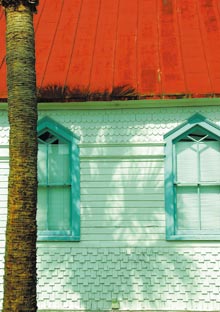 As soon as the sun comes out for good each spring in the As soon as the sun comes out for good each spring in the  Lowcountry, the azaleas explode, ornamental fruit trees pop, and all manner of wildlife joins the chorus. Meanwhile a ubiquitous clicking signals one of two things: the marsh at low tide crawling with fiddler crabs or the annual return of The Non-Indigenous Shutterbug, (known in scientific circles as Photographicas Ohio).
One day the streets of Beaufort are simply crawling with people snapping away at everything in sight, stumbling around in complete target lock, squinting through viewfinders and peering dumbly into sun-splashed view screens. To be sure, we still sight the occasional photo-hound stalking the perfect shot with camera gear worth more than Governor Haley’s annual travel budget. Lowcountry, the azaleas explode, ornamental fruit trees pop, and all manner of wildlife joins the chorus. Meanwhile a ubiquitous clicking signals one of two things: the marsh at low tide crawling with fiddler crabs or the annual return of The Non-Indigenous Shutterbug, (known in scientific circles as Photographicas Ohio).
One day the streets of Beaufort are simply crawling with people snapping away at everything in sight, stumbling around in complete target lock, squinting through viewfinders and peering dumbly into sun-splashed view screens. To be sure, we still sight the occasional photo-hound stalking the perfect shot with camera gear worth more than Governor Haley’s annual travel budget.
But for the most part the average individual takes pictures with something that does most – if not all – of the thinking. Most camera manufacturers upgrade their Point & Shoots every year. Each year the technical
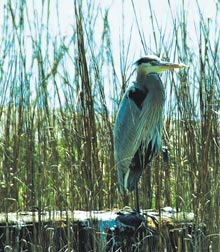
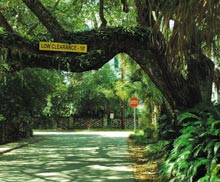
No doubt a good portion of our readers will document this visit to Beaufort and the Lowcountry via their smart and perhaps their not-so-smart phone. But our focus (no pun intended) is to help out with bits of advice on a point & shoot pocket camera safari around our photogenic old town. In keeping with that theme all of the accompanying photos were shot with a Canon S90, purchased new a couple of years ago and considered by many to be among the best of its kind at that time. It’s since been replaced with the S95 and the current reigning champ, the S100. The newest model is lighter, thinner, packed with more technology than the average enthusiast will ever use or understand, shoots in multiple formats including RAW and full HD video and comes with its own GPS for under $400. Keep in mind that because of rapidly changing technology and consumer demands, buying a device like this is not an investment in anything other than the photos and memories captured and preserved with it. Much like the aforementioned smart phone, this is disposable technology. Phrases like “Mirrorless” and “Micro 4/3” are quickly becoming part of the industry vernacular. The revolution is coming, but until it gets here let’s “pocket” some pixels.
THE PROFESSIONALS We asked some professional photographer friends to weigh in with a little point & shoot advice. Their
While you’re more likely to find Eric Horan (www.southernlight.biz) somewhere in the wilds zeroing in on exotic birdlife with a lens the size of a howitzer, he admits pocket cameras can be a blast. “Yes, point & shoots are fun and for the most part brainless,” he admits, “but if you do use the brain a little the images can be a lot better – even great.” Eric recommends some extremely practical steps to better photos including something most of us hate to do: read the manual and learn about things like exposure compensation and the use of fill flash.
Paul Nurnberg (www.nurnbergphotography.com) teaches classes in basic photography, often carries a pocket camera and says he’s also shooting with his iPhone. “The most important thing to remember about digital photography,” he says, “is that pixels are free. Take more than one picture and try different angles. It doesn’t cost you anything. It’s not like film.”
Both Horan and Nurnberg are on the same page when it comes to composition – shoot vertical as well as horizontal, come in close and move back, and try different angles. Gary Geboy’s approach is a bit more laid back. “Don't worry about composition, wastes too much time,” he says. “I think it comes naturally anyway, even though you aren't looking through the viewfinder. Go wide angle and learn to shoot from the hip.”
Many of the astonishing images Geboy (www.garygeboyphotography.com) commits to his painstaking and expensive platinum palladium prints are captured with a pocket camera. He’s also a veteran
“I would walk up to someone if I wanted a portrait and ask if I could take their picture” he says. “I've never been a proponent of the ambush – unless by injecting yourself it destroys the idea. I would also take my time when doing the portrait - that gives them an opportunity for them to arrange themselves in the way they want to present themselves to you. It sounds odd, but I'd fumble around a bit, or at least look like I was fumbling, but all the while watching them and at the right second, snap the picture.”
Lighting quality and direction, the time of day and weather conditions are all basic factors to consider before you set out on safari.
All of our pros agree that the final part of getting the most out of your Point & Shoot camera happens on your computer. “Get some sort of photo processing software,” says Eric Horan, “and learn how to get the most out of your images.” The industry standard is Adobe’s Photoshop – the reason we can no longer completely trust the historical photographic record – and it’s larger professional-targeted versions are expensive and almost as fun to learn as Latin. However the stripped down consumer version – Photoshop Elements – offers up much of the same professional style processing tools for about $80 and comes with online support and an easily decipherable manual.
And then there’s free. Macs come equipped with the basic version of iPhoto. Google’s Picasa is a free download and while it could use some organizational effort, it offers a pretty impressive set of tools and effects. If you use Gmail or have any sort of Google account Picasa makes it ridiculously easy to share photos. Then again, all of these programs incorporate similar file sharing capability.
SHOOTING BEAUFORT
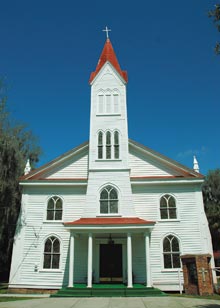
If your time’s limited, I’d recommend beginning with The Point (the area east of Carteret Street) in the early morning and gradually winding your way west before taking a midday break. With good weather, the late afternoon light is almost always spectacular along the waterfront and Bay Street. And I find the three centuries of history buried in the churchyard at the Parish Church of St. Helena’s endlessly fascinating in any light. In fact Beaufort’s churches are among its most photogenic qualities.
Of course, there’s much more to see and shoot outside of Beaufort proper – provided you have the
“Don't over think anything or go out with a preconceived notion of what to expect. The most successful street shooters go out with a blank slate,” says Gary Geboy. “And wear good shoes.”
PHOTOGRAPHER’S RESOURCES
Two of the best are B & H Photo (bhphotovideo.com) and Adorama (adorama.com). Both are based in New York City and both offer one-stop shopping for pros and amateurs alike. Between these two there is virtually nothing you can’t find.
For sheer whimsy it’s hard to beat Photojojo.com. Need a shot glass that looks like a lens? Got that and more. But what they really specialize in are cool photographic accessories other stores and sites tend to miss, or rather dismiss. Our favorites include a three-lens kit for Androids and iPhones (wide/macro, fisheye & telephoto) that attach instantly via a magnetic ring, about $70.
If you’re having trouble trying to make a decision on what sort of camera to buy, check out
If you’re looking for something far beyond the point & shoot experience, we highly recommend booking a professional photo safari with Eric Horan. Check out the possibilities at lowcountryphototours.blogspot.com or call 843.524.3037 for an unforgettable experience.
Send your feedback to This e-mail address is being protected from spambots. You need JavaScript enabled to view it and look for more Lowcountry photoplay online at lcweekly.com and on our Facebook page.
|
 sophistication increases while the cameras become sleeker, smaller and – in most cases – simpler to use. There’s a major contributing factor to this trend: that smart phone you can’t seem to put down. Both the latest generations of Android and iPhone come equipped with damn good cameras – not quite the quality of the current crop of pocket cameras, but closer and closer with each new generation. And they come with an advantage not available on your average P&S (at least, not yet) – apps. My iPhone 4S shoots at 8 megapixels (8x10 print quality) with some pretty advanced optics, including a filter to cut out harmful infrared light. In short, the thing beats the pants off of some pocket cameras I’ve owned and as long as the operator’s up to it, turns out stunning photos in all sorts of light. And I can accessorize the iPhone (and the iPad, for that matter) with some pretty cool lenses and other gear for next to nothing. How about a fisheye lens for $20? (Check out “Resources” below for more details.)
 The combination of phone, camera and apps set these devices apart for a lot of casual photographers and an increasing number of enthusiasts and pros, as well. There are hundreds of photo processing apps and most are junk. But I can download a basic version of Photoshop – the premier photo processing platform – for free and buy capabilities incrementally as I need or want them. This means I can snap a photo, edit it on Photoshop and post it on my blog, website, Facebook and Flickr account in less time than it takes most people to pour a cup of coffee. As Patrick O’Brien’s Capt. Jack Aubrey would say, “What a fascinating modern age in which we live.” Indeed.
 work is published in books and national magazines and hangs in galleries all over the Lowcountry and elsewhere.
 Which brings up another point, before heading out in the field, make sure your camera’s memory card is clean and pack a spare just in case. If you’re serious about maintaining your photos, make a point to routinely download them to your computer and then back up your computer to an external hard drive. You may also want to invest in a redundant backup or use a secure online service like Carbonite, Backblaze or iDrive.
 street photographer known for his candid portraits who says when it comes to shooting people it’s almost always better to get permission.
 Nurnberg also adds that it’s also okay to break your dad’s rule that everyone’s picture has to be made facing the sun. “Ideally, backlighting your subject is much better,” he says, “because they’re not going to be squinting and the picture’s going to look a lot nicer. And take off those sunglasses,” he adds. “I tell people that all the time on the waterfront. If everyone’s got on sunglasses you can’t make out the faces.” This little trick also requires that you over expose the shot, which means knowing how to use your camera’s Exposure Compensation capability.
 “If you really want to get nice pictures try to shoot earlier in the morning or later in the afternoon,” advises Nurnberg, “because at midday – with the sun directly overhead – the lighting is just bad. You’re not going to get good pictures of anything.” And Paul also stresses the importance of never deleting anything from the camera out in the field unless absolutely necessary. “A lot of pictures look a whole lot better when you see them on your computer and not on the tiny camera screen,” he says. “Also set up the camera to capture the highest quality photos possible – the largest and finest files the camera can take.” Again, check the camera’s manual if you’re not familiar with how to do this. In fact, make a habit of checking your camera’s settings prior to each shoot. They sometimes seem to reset themselves or revert to defaults if you happen to hit the wrong combination of buttons.

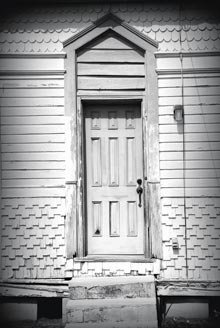 The best way to photograph Beaufort is on foot and the best place to start is also one you’ll want to shoot. The Visitor’s Center is located within the historic stuccoed walls of The Arsenal on Craven Street. Here you can pick up an official map of the town and the Sea Islands as well as a Visitors Guide – a wealth of information on area sites and history. Talk to the people at the desk. Tell them what you’re interested in seeing and ask their advice. The downtown historic district is easily divided into morning and afternoon walkabouts with time for a leisurely lunch and maybe some shopping in between. If time’s not a challenge indulge in one of the many local tours. It’s a great way to soak up a bit of history and get the lay of the land – a kind of reconnaissance mission. All the information’s right there at the Visitors Center.
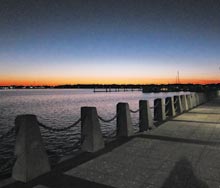 time. Hunting Island, Penn Center, and the ruins of the Chapel of Ease and Old Sheldon Church make the short list. But for now check your list – sunscreen, bottled water, extra battery & memory card – and heed a last bit of advice from a pro.
 Sadly the neighborhood camera shop is all but extinct in most places – major metropolitan areas are the exception. Which means the guys who saw the handwriting on the wall around the time SLR’s added the “D” are doing fine online.